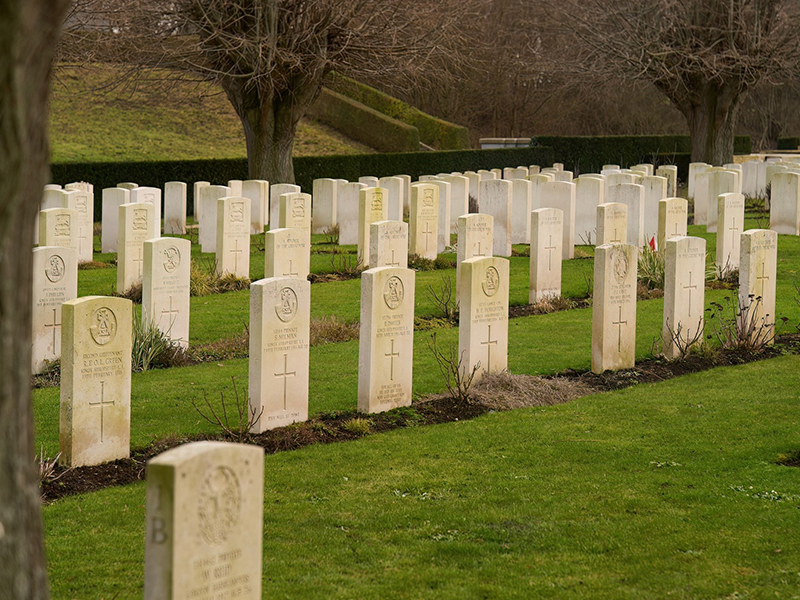
War tourism
Dive into war history
An area deeply scarred by World War I, the Westhoek is home to numerous memorial sites, museums and memorials. The front lines of the Great War left their mark here, making it a destination for history buffs and those wishing to pay tribute to the fallen soldiers.
Museums:
The Westhoek has eight museums about the war, the main ones are listed below. If you want to discover more, click on the following link: https://www.toerismewesthoek.be/nl/flanders-fields/musea-woi-overzicht
Flanders field:
The In Flanders Fields Museum is an ideal prelude to a visit to the front region! The museum layout gives you an introduction to the story of the First World War through new perspectives and personal stories. The belfry tower makes a connection between the inside and outside story. As a visitor, on top of the tower you will discover the landscape as the last witness of the war.
Passchendaele Museum:
The Passchendaele Museum presents the historical story of the First World War in a moving and vivid way, with a special focus on the Battle of Passchendaele. This 1917 battle is known as one of the most gruesome battles of the First World War, with more than half a million casualties for a ground gain of only eight kilometres. ‘Passchendaele’ not only became a household word in World War I history, it also became a symbol of the great futility of war in all its horror. The Passchendaele Museum combines the interactive display of a contemporary museum, with the exceptional experiential aspect of the Dugout & Trench.
Museum on the Iron
For several years now, the tower has housed a museum. The ‘Museum on the Yser’ tells the story of the Belgian-German front during World War I through the stories of soldiers, refugees and civilians on both sides of the front. The museum does not convey a non-committal message, but a clear mission: Never again war! It also explains the political consequences of this war, which culminated in the Flemish war of emancipation. Besides the view of the former Yser Front, you can also enjoy a magnificent panorama of Diksmuide and the Westhoek at the top of the 84-metre high tower.
Military cemeteries
There are many military cemeteries in the Westhoek, below we list the most important ones.
You can view them all at the following link: https://www.toerismewesthoek.be/nl/flanders-fields/militaire-begraafplaatsen-westhoek
Tyne Cot Cemetery
Tyne Cot Cemetery is the largest Commonwealth cemetery on the mainland and also the main witness to the bloody Battle of Passchendaele. Originally, Tyne Cot was a fortified position of the German Flandern I position, where Australian troops established a first-aid post in October 1917. Some 12,000 soldiers are buried here. The impressive Tyne Cot Memorial lists a further 35,000 names of soldiers with no known grave who fell after 15 August 1917.
German military cemetery
The German military cemetery in Langemark is one of 4 German assembly cemeteries in Belgium. This cemetery is also known as the ‘Studentenfriedhof’. A number of young German volunteer soldiers died here during the First Battle of Ypres in 1914. Now, more than 44,300 German soldiers are buried here. More than half rest together in the comrades’ grave near the cemetery entrance. Some 17,000 soldiers from this mass grave could be identified. Their names can be found on the blocks surrounding the comrade’s grave.
Monuments
Dozens of WWI monuments adorn the landscape in the Westhoek. They are a tangible reminder of the war and a lasting call for peace. You can consult them all at the following link: https://www.toerismewesthoek.be/nl/flanders-fields/monumenten-woi-overzicht
This one below is well worth a visit:
Menin Gate in Ypres with the Last Post
The Menin Gate can be considered the overall symbol of the First World War. The memorial is a design by Sir Reginald Blomfield. He designed this memorial as a classical triumphal arch. But the Menin Gate is also a ‘memorial to the missing’. On the inside are the names of some 55,000 Commonwealth soldiers who were reported missing before 15 August 1917. This memorial is the setting for the Last Post ceremony every evening.
Every evening the “Last Post” resounds punctually at 8pm under the Menin Gate. Daily activities fall silent for a moment to commemorate the fallen soldiers of WWI. The Last Post ceremony has been organised by the Last Post Association since 1928. Throughout the year, you can attend the subdued Last Post ceremony.
Trenches
In several places you can walk through the trenches yourself. The most famous is the Death Walk in Diksmuide. The Dodengang is a trench system where Belgian troops held out against the enemy for four years. The position was quickly given the name Dodengang due to the high number of casualties in these trenches. The site was completely restored with concrete structures. The visitor centre shows you the life and suffering of front-line soldiers during World War I.
More information can be found at this link: https://www.toerismewesthoek.be/nl/flanders-fields/loopgraven
Activities in the neighbourhood

Swimming pools
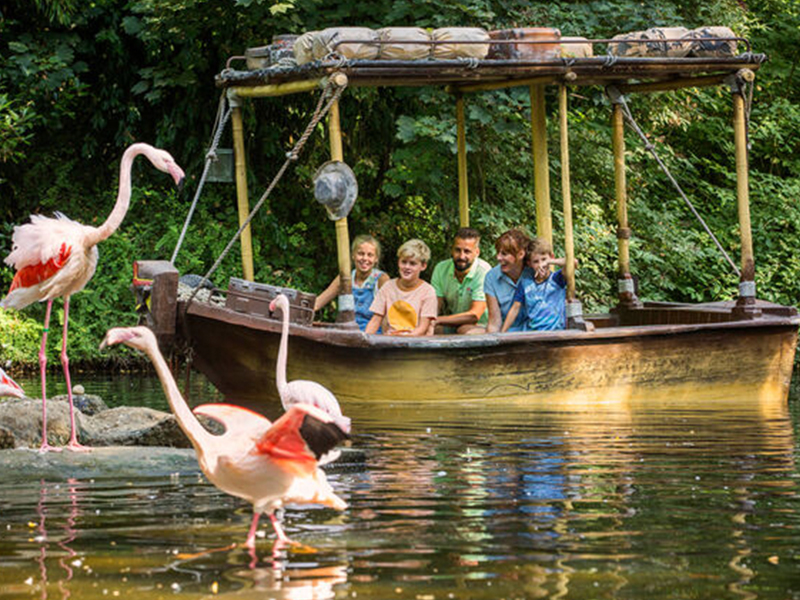
Amusement parks
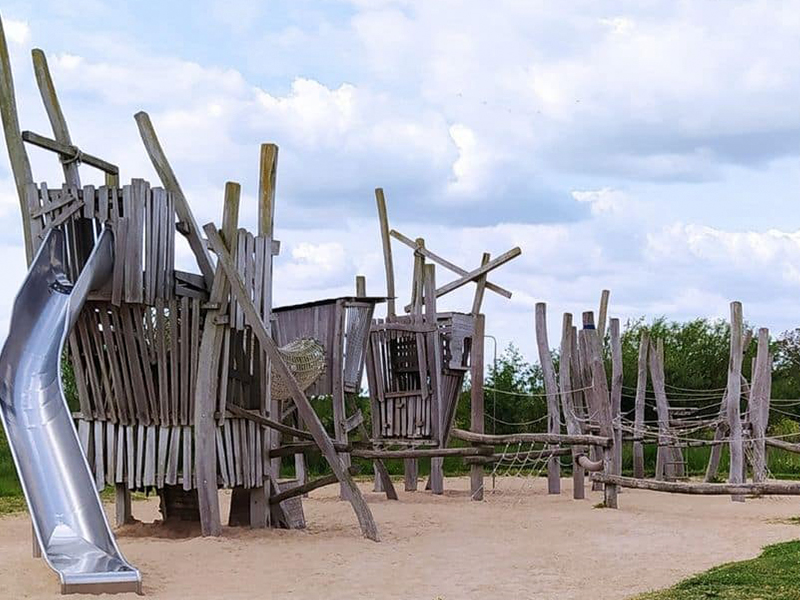
Playgrounds
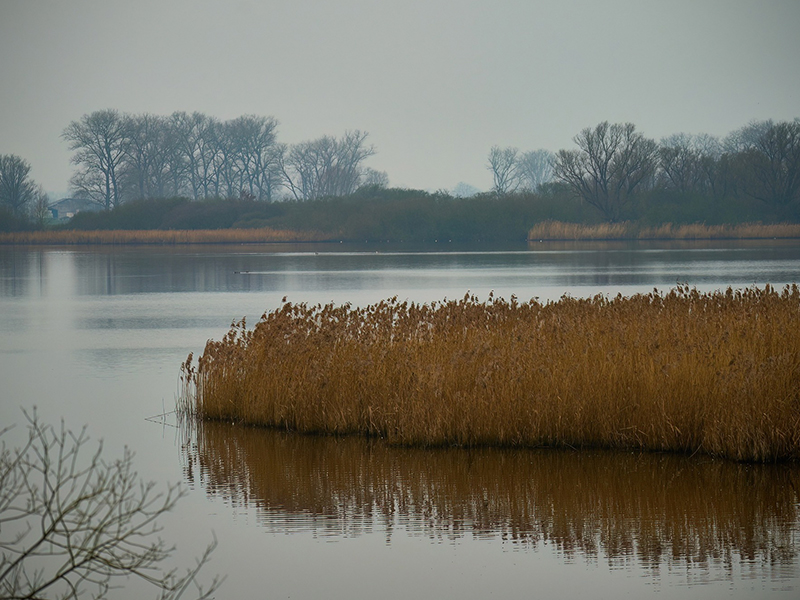
Nature reserves
War tourism

Alpaca walks

Chocolaterie Ledoux

Zonnegloed

The old cheese factory
Being together
in an oasis of calm
We are happy to help you plan your holiday.
We are committed to providing the best service and strive to make your stay as pleasant as possible. If you have any questions, do not hesitate to contact us. Don’t forget to check your spam folder if you’re expecting an email from us!